
Two covers can sit over the same 50A Anderson-style connector and look nothing alike. One is moulded nylon, one is machined billet aluminium. The plug underneath is identical. What changes is how the cover copes with sun, knocks, heat and the other things on your panel.
Neither one is better in every case. Here is how to pick.
What the cover actually does
The cover does not carry current. The contacts and the plug body do that. The cover keeps grit and water out of the recess, holds the plug body in place, and with a riser base lifts the whole thing off your paint or panel. Anything it does beyond that is a matter of material.
Nylon: the practical one
- It gives a little. Nylon flexes on impact instead of denting or cracking the mounting. A bag dragged across it in the back of a canopy will not mark the panel.
- It is light. Our SORSHA kit weighs 80 g complete with cover, riser base and terminals.
- Colour goes all the way through. A scratch is the same colour as the surface, so it does not show. Red, black and white suit a van, a tray or a solar lead you want to find at dusk.
- It does not conduct. If a loose lug or a stray wire touches the cover, nothing happens.
The trade is stiffness and ageing. Moulded plastic is softer than metal, so it scuffs, and a cheap one left in direct sun goes brittle over the years. Check that a cover is UV stable before you buy, especially if it will live in direct sun.
Billet aluminium: the tidy one
- It is rigid. Nothing flexes, so the plug body stays square in the recess and the cover keeps its edges for years.
- It does not degrade in sun. Aluminium has no plasticiser to bake out. The anodised finish is part of the metal surface, not a paint layer sitting on top of it.
- It looks deliberate. Machined edges and a matte finish suit a tray build, a dash or a bull bar mount where the plug is on show.
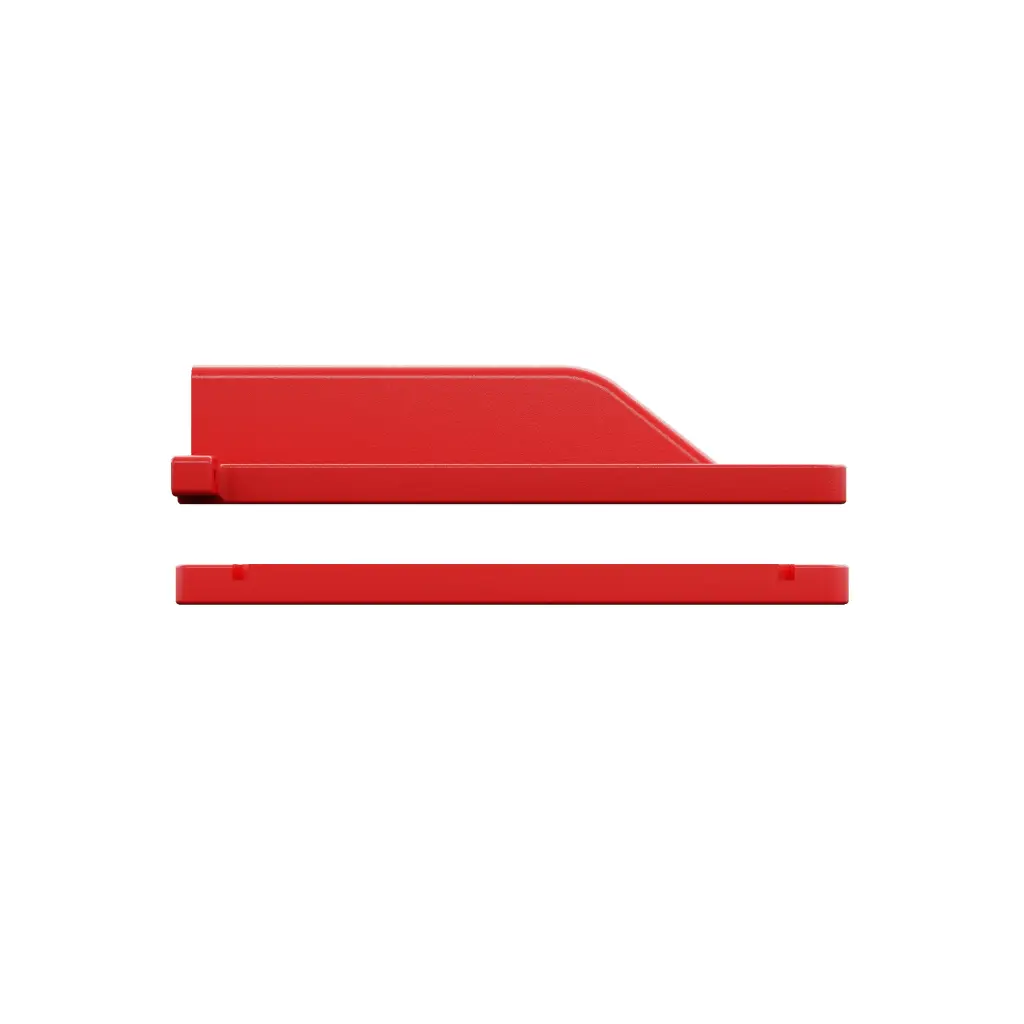
The DINGO-KIT is this style: a billet aluminium cover anodised orange, with a nylon riser base and a tethered dust cap, 83 x 63mm and 140g. Note that the base is still nylon. That is deliberate and it is the useful part.
Heat, and what a canopy does to it
A canopy or a tray sitting in the sun on a summer afternoon gets very hot inside. Nylon softens as temperature climbs, so a cover holding a plug tight in the morning can feel looser by mid afternoon. Aluminium also gets hot to the touch but does not creep or soften. If the connector sits against a hot surface, near an exhaust or in a closed tray, billet is the safer material. A bolted-on cover in an open, shaded spot is perfectly happy in nylon.
The answer by situation
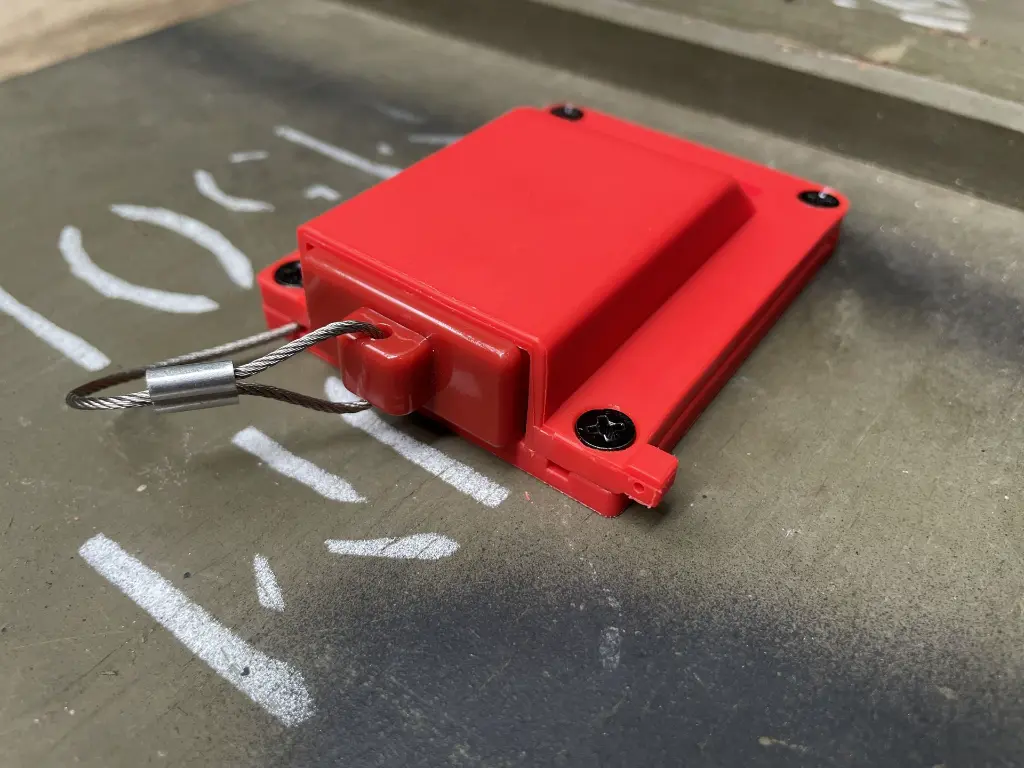
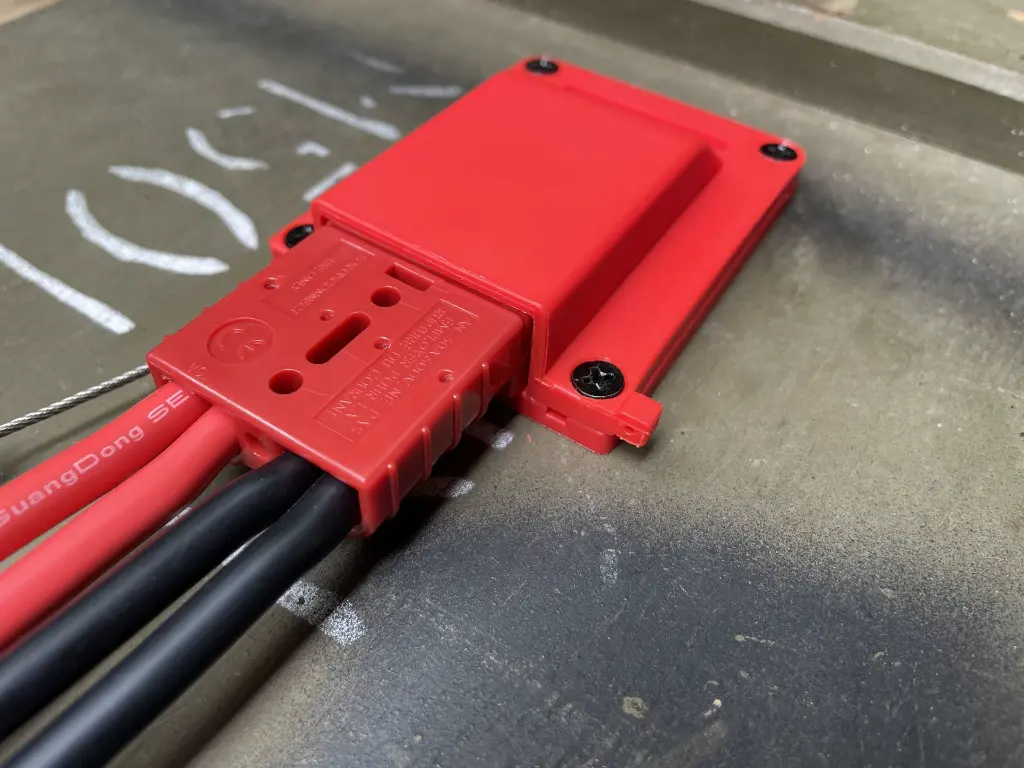
- Inside a canopy, knocked by gear: nylon. It gives, it does not mark, and it does not matter if it takes a hit.
- Exposed on a tray, bar or rack, in full sun: billet. Rigid, stable in UV, and it stays square.
- Colour matching a van or camper: nylon, because white and black are easy to find.
- Visible, a feature of the build: billet.
- Near heat: billet, with the riser base kept between cover and panel.
What does not change
Pick either and the plug underneath is what carries your current, so the failure modes in why your Anderson plug connection fails still apply: a proper crimp, matched pin to cable, and a dust cap that stays on. If you are not sure the cover will fit your connector, start with which Anderson-style connector you actually need.
The short version
Nylon is the forgiving, light, coloured one. Billet is the rigid, sun-proof, good-looking one. Both work on the same plug. Decide by where the connector sits and what hits it, not by looks alone.